
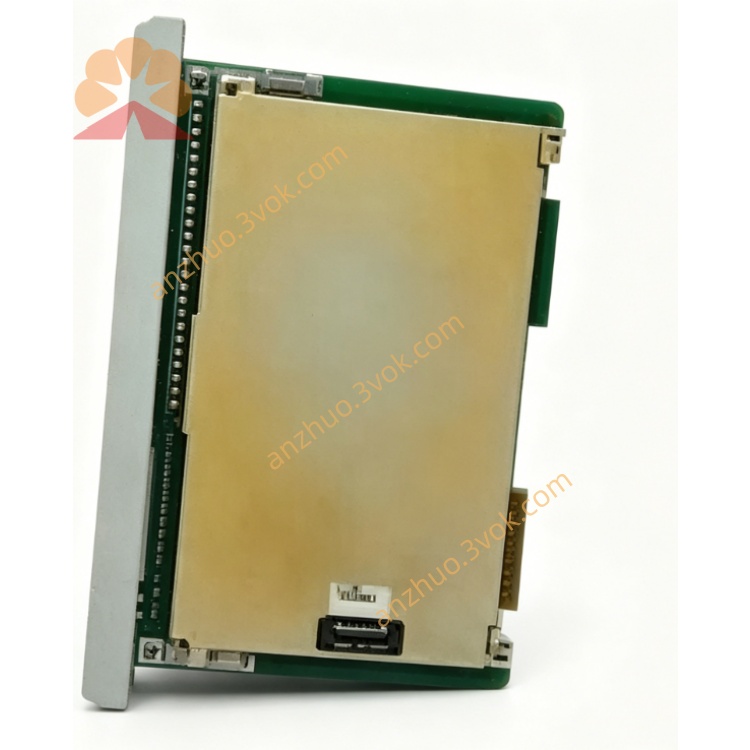
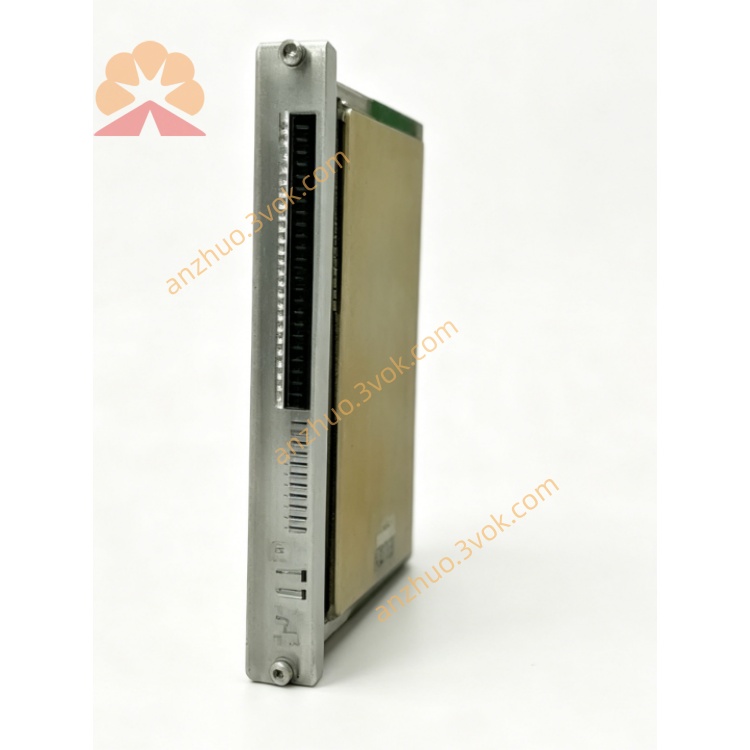
HONEYWELL 6210015
Description
2. Main Features
Model: 6210015
Type: Inductive proximity sensor
Detectable targets: All metal materials
Supply voltage: 10–30 V DC
Output form: 3-wire DC
Max load current: ≤ 200 mA
Protection grade: IP67 dustproof & waterproof
Working temperature: -25 °C ~ +70 °C
Built-in reverse polarity, overvoltage and short-circuit protection
Vibration & shock resistant, long service life
3. Safety Precautions
Disconnect power before installation and wiring.
Do not exceed rated voltage 10–30 V DC.
Reverse wiring is strictly prohibited to avoid sensor damage.
Keep away from high-power motors and transformers to prevent magnetic interference.
Do not disassemble or modify the sensor structure arbitrarily.
Avoid mechanical impact, oil corrosion and long-term humid conditions.
4. Installation Guide
Fix the sensor with lock nut or mounting bracket.
Keep rated effective sensing distance from metal target.
Install perpendicular to the detected metal surface for best accuracy.
Do not place extra metal parts near the sensing head.
Arrange cables properly; avoid sharp bending and forced pulling.
5. Wiring Definition
Brown : DC +10~30 V Power
Blue : DC 0 V Ground
Black : Signal output
Shield: Ground only at controller side
6. Operating Instructions
Wire strictly according to standard definition.
Power on, the sensor enters standby status.
When metal enters sensing range, indicator lights up and outputs signal.
When metal moves away, signal resets and indicator turns off.
Suitable for PLC, relay and automatic controller input.
7. Troubleshooting
No indicator light: Check power supply and wiring connection.
Constant output: Metal too close or ambient metal interference.
Unstable flashing: Loose wiring, mechanical vibration or voltage fluctuation.
Light on but no output: Broken signal wire or damaged load.
8. Maintenance
Clean dust and iron scraps on the sensing surface regularly.
Periodically check mounting tightness and cable aging.
Avoid long-term operation in high-temperature and corrosive environments.
Replace timely if shell crack or cable damage occurs.
Get a Quote