
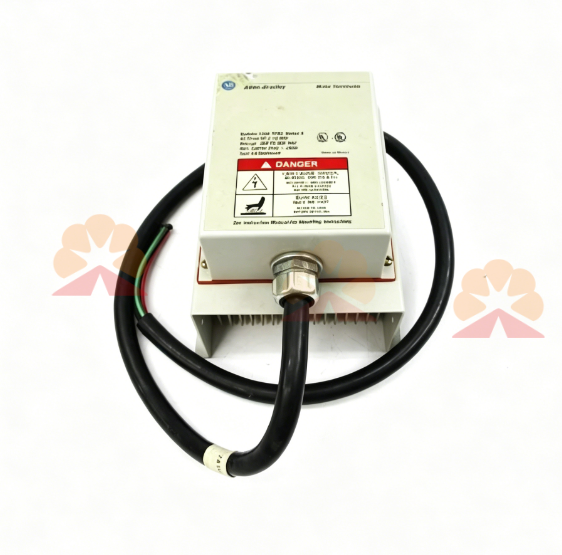
Description
1204‑TFB2 is a key A‑B series industrial I/O module designed for factory automation control systems. As a vital signal interaction unit of PLC hardware architecture, it undertakes input signal collection from field sensors and actuators, as well as output command delivery from main controller to on‑site devices. Its operating condition directly determines signal response efficiency and control accuracy of the whole automated system.
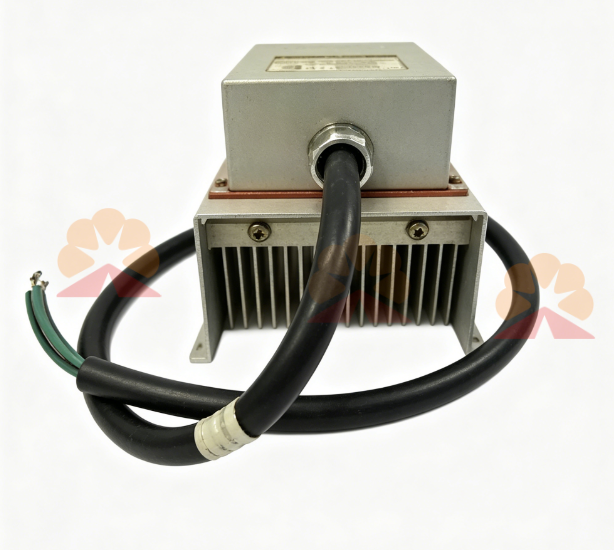
Constructed with industrial‑grade circuit elements and robust housing structure, 1204‑TFB2 can withstand common interferences including electromagnetic disturbance, mechanical vibration and moderate temperature fluctuation in manufacturing workshops. Each finished module goes through multiple production links: precise soldering of circuit boards, component screening, long‑time aging test and sampling performance verification. Such rigorous quality control procedures ensure stable performance and high interchangeability with original hardware. When original I/O module suffers circuit burnout, aging or functional anomaly, users can implement direct replacement with 1204‑TFB2, greatly shortening equipment maintenance cycle and reducing production losses caused by system shutdown.
This module has wide application coverage, applicable to automated assembly lines, industrial process monitoring cabinets, mechanical processing equipment and other industrial control occasions. It completes real‑time signal exchange so that host control system can finish logic computation and equipment control output. During installation and operation, users should keep the working environment away from heavy corrosive gas, excessive humidity and heavy dust. Following official wiring and installation specifications can bring the module’s full capacity into play and extend its service life.
For equipment maintenance, technical renovation and spare‑parts inventory preparation, 1204‑TFB2 serves as a reliable spare‑part option for A‑B automation systems. After proper replacement and commissioning, it can restore system signal processing capacity and lower long‑term operational risks. Professional technicians are suggested to conduct installation, parameter setting and debugging work to achieve perfect matching between module and host devices and obtain expected operating performance.
Get a Quote