
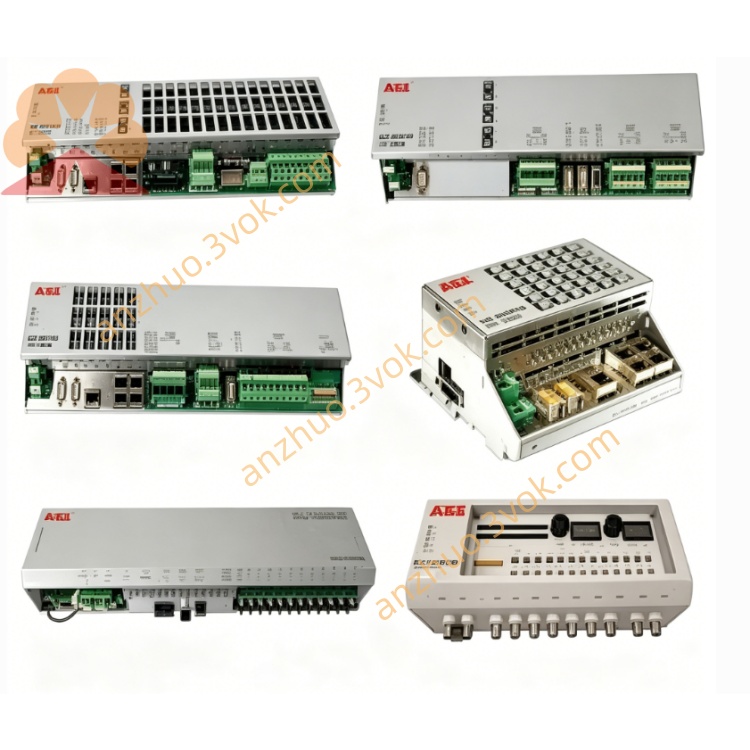
ABB 3BHE026284R0102 UAD215 A102 Excitation Current Monitoring Panel
Description
ABB 3BHE026284R0102 UAD215 A102 Excitation Current Monitoring Panel
Overview
Key Features
Six‑Channel Independent Sampling: Captures DC excitation current from each of the six rectifier arms in a six‑pulse bridge, with high accuracy of ≤0.2%FS and hardware RC filtering to suppress high‑frequency harmonics from thyristors.
Local Visual Indication: Equipped with dedicated LEDs: STATUS (operation), ALARM (general fault), FAILED BRANCH (per‑arm fault), and OVERCURRENT (overload). Enables on‑site technicians to immediately identify open‑circuit thyristors, blown fuses, or overloaded branches without accessing the control room.
High Isolation & Protection: Sampling circuits are galvanically isolated from the backplane power supply with ≥1200VAC isolation, protecting low‑voltage control circuits from high‑voltage transients. Built‑in reverse‑polarity and surge protection ensure robustness against power anomalies.
Seamless System Integration: Connects to the power cabinet’s CIN trigger board via a backplane parallel bus, transmitting branch current data and fault codes to the main excitation COB board and DCS for remote monitoring and logging.
Harsh Environment Resilience: PCB coated with conformal three‑proofing (moisture, salt spray, fungus), operating temperature from ‑20°C to +70°C (0–55°C typical in power cabinets), and humidity tolerance of 5%–95% RH non‑condensing, ideal for humid hydroelectric powerhouses.
Technical Specifications
Manufacturer: ABB
Model: 3BHE026284R0102 (UAD215 A102)
Application: UNITROL 6000 Static Excitation System, PEC80 Industrial Control Platform
Power Supply: DC24V ±10% (from power cabinet backplane bus), power consumption ≤3.2W
Input Signals: 6‑channel 4–20mA DC from shunts (rectifier arm current)
Measurement Accuracy: ≤0.2% full‑scale
Isolation Voltage: ≥1200VAC (sampling to backplane)
LED Indicators: STATUS, ALARM, 6× FAILED BRANCH, OVERCURRENT
Operating Temperature: ‑20°C to +70°C (0–55°C normal operation)
Storage Temperature: ‑40°C to +85°C
Humidity: 5%–95% RH, non‑condensing
Protection Class: IP20 (front panel, cabinet door mount)
Dimensions (W×H×D): 112mm × 86mm × 32mm
Weight: Approx. 275g
Certifications: CE, compliant with IEC 60068 (vibration resistance: 10–500Hz)
Core Functions
Applications
Power Generation Plants: Thermal, hydroelectric, and combined‑cycle facilities using ABB UNITROL 6000 excitation systems for synchronous generators.
Heavy Industrial Drives: Large‑scale motor drives in steel, mining, and pulp/paper industries that employ high‑power rectifier units.
Retrofit & Maintenance: Direct replacement for legacy UAD215 A102 panels in existing UNITROL 6000 installations, requiring no cabinet modifications or rewiring.
Compatibility
Fully compatible with ABB UNITROL 6000 series static excitation systems and PEC80 control platforms.
Interfaces with CIN trigger boards and COB main control boards in the power cabinet via standard backplane buses.
Compatible with standard 4–20mA shunt signals used in ABB excitation systems, ensuring plug‑and‑play operation.
Advantages
Enhanced Maintenance Efficiency: Local LED indication eliminates the need for constant remote monitoring and reduces troubleshooting time from hours to minutes.
High Reliability in Harsh Conditions: Conformal coating, wide temperature range, and vibration resistance ensure stable operation in humid, dusty, and mechanically demanding environments.
Precision & Safety: High‑accuracy current sampling and galvanic isolation protect both equipment and personnel, while overcurrent and fault protection mechanisms prevent catastrophic failures.
Cost‑Effective Operation: By enabling early fault detection and reducing unplanned downtime, the panel lowers maintenance costs and improves the overall availability of power generation assets。
Get a Quote