
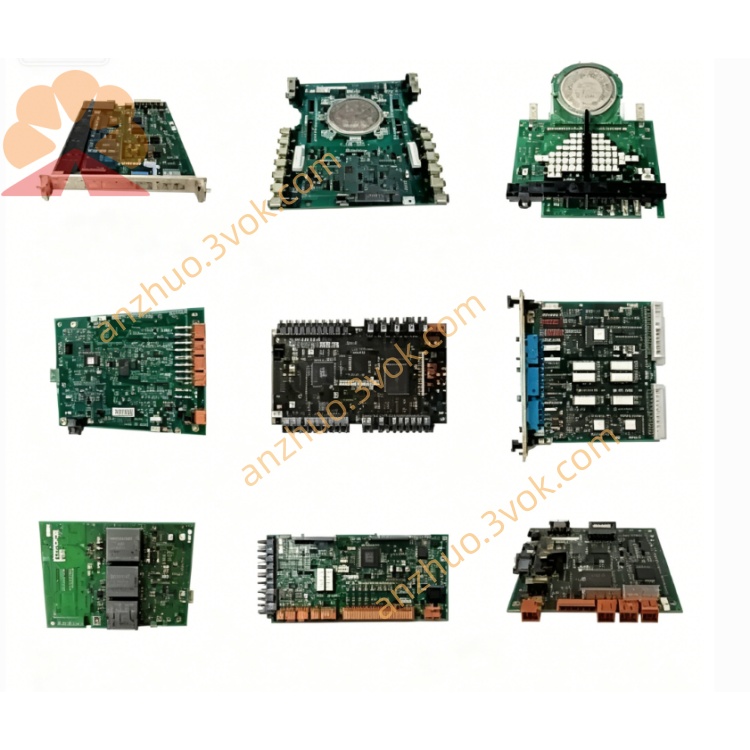
ABB 3BHE014557R0003 UN1000b-Z,V3 automatic excitation voltage regulator
This unit is UN1000b-Z,V3 automatic excitation voltage regulator developed by ABB Sweden, belonging to UNITROL1000 series core AVR control module for synchronous generator and large synchronous motor excitation system. The whole PCB is processed with three-proof insulating coating to resist damp, dust and corrosive gas inside power cabinet. It acts as the core control component of thyristor rectifier excitation cabinet, collecting generator terminal voltage, stator current and grid side signal to adjust excitation output in real time, stabilizing generator terminal voltage and reactive power output for grid safety operation. It matches UNITROL1000 standard rack mounting structure and is widely configured on small-medium sized generator excitation equipment from thermal power, hydropower and distributed power stations.
Description
1.Product Brief Introduction
This unit is UN1000b-Z,V3 automatic excitation voltage regulator developed by ABB Sweden, belonging to UNITROL1000 series core AVR control module for synchronous generator and large synchronous motor excitation system. The whole PCB is processed with three-proof insulating coating to resist damp, dust and corrosive gas inside power cabinet. It acts as the core control component of thyristor rectifier excitation cabinet, collecting generator terminal voltage, stator current and grid side signal to adjust excitation output in real time, stabilizing generator terminal voltage and reactive power output for grid safety operation. It matches UNITROL1000 standard rack mounting structure and is widely configured on small-medium sized generator excitation equipment from thermal power, hydropower and distributed power stations.
2.Model Definition Explanation
3BHE is the fixed general prefix of ABB dedicated circuit board spare part coding for excitation and medium voltage drive control products.014557 is exclusive internal hardware development serial number confirmed by ABB R&D department for UN1000b-Z control platform.R0003 stands for the third official revised hardware version after circuit optimization and component upgrade based on original baseline design.UN1000b-Z,V3 is the commercial catalog model corresponding to this spare part code for factory ordering and system configuration management.
3.Technical Specifications
Main auxiliary input power ranges from 90VAC to 264VAC with 50/60Hz rated frequency; rated continuous DC excitation output current is 15A, short-time overload reaches 20A within 30 seconds. Steady-state voltage regulation precision is controlled within ±0.5% of rated setting value, system dynamic response time is less than 50ms when voltage fluctuation occurs. Operating ambient temperature ranges from -25℃ to +55℃, storage temperature from -40℃ to +85℃, applicable environment humidity 5%~95%RH under non-condensing condition. Protection grade is IP20 for cabinet built-in installation, fully complies with IEC61000 EMC anti-interference specification and CE certification standard, net weight is about 2.1kg. Applicable generator terminal sampling voltage scope covers 100V~690V AC phase-to-phase voltage.
4.Interface and Communication Configuration
Rear golden finger backplane connector is inserted into cabinet internal system bus to exchange operating data and fault code with auxiliary signal collecting board. Front terminal wiring terminals connect generator PT voltage signal, CT current signal and thyristor rectifier unit trigger wiring directly. Multiple onboard LED status indicators display power supply status, running mode and fault alarm information for on-site inspection. Standard RS485 interface supports Modbus RTU communication protocol for SCADA remote data upload and parameter modification; reserved CANopen and optional Profibus DP interfaces realize data interconnection with upper PLC and plant monitoring system. Local debug interface supports parameter setting via handheld operation panel.
5.Core Functions
Collect real-time generator terminal voltage and stator current sampling signals, adopt adaptive PID control algorithm to calculate required excitation output amplitude and send thyristor firing pulse to rectifier power unit, adjusting DC excitation current of generator rotor winding to stabilize terminal voltage and reactive power output. Built-in multi-layer protection logic including over-excitation, under-excitation, overcurrent and loss-of-potential protection, automatically block trigger pulse and output fault interlock signal to cut off excitation loop once abnormal working condition appears. Periodic automatic self-diagnosis runs on internal sampling circuit, power supply channel and communication loop, storing corresponding fault codes locally for later maintenance troubleshooting. It also supports automatic reactive power adjustment and generator paralleling auxiliary control function according to grid operating requirement.
6.Application Scenarios
Mainly installed inside excitation rectifier cabinet of small and medium capacity synchronous generator sets for conventional thermal power plants, hydropower stations, biomass power stations and distributed gas power plants. Equipped on large synchronous motor excitation control cabinet used for mine main fan, cement large drag motor and petrochemical high-power compressor to realize excitation regulation and startup control of synchronous motor. Also applied for off-grid diesel generator set automatic voltage stabilization and new energy distributed power station generator excitation control system.
7.Operation and Maintenance Instructions
Cut off cabinet AC input power before disassembly or routine maintenance, keep power cut more than 30 minutes to fully release residual capacitance energy and avoid static breakdown of internal precision chips. Implement quarterly maintenance to wipe PCB surface and golden finger contacts with dry soft brush to clear accumulated dust, check fastening status of each wiring terminal to prevent poor contact caused by loose wiring. When excitation system triggers regulation failure or protection alarm, inspect external PT/CT signal circuit and matching thyristor component before replacing the whole module. Arbitrary disassembly of onboard original components and unauthorized modification of internal control circuit parameters are strictly forbidden; replace complete module when permanent internal hardware damage is verified.
Get a Quote