
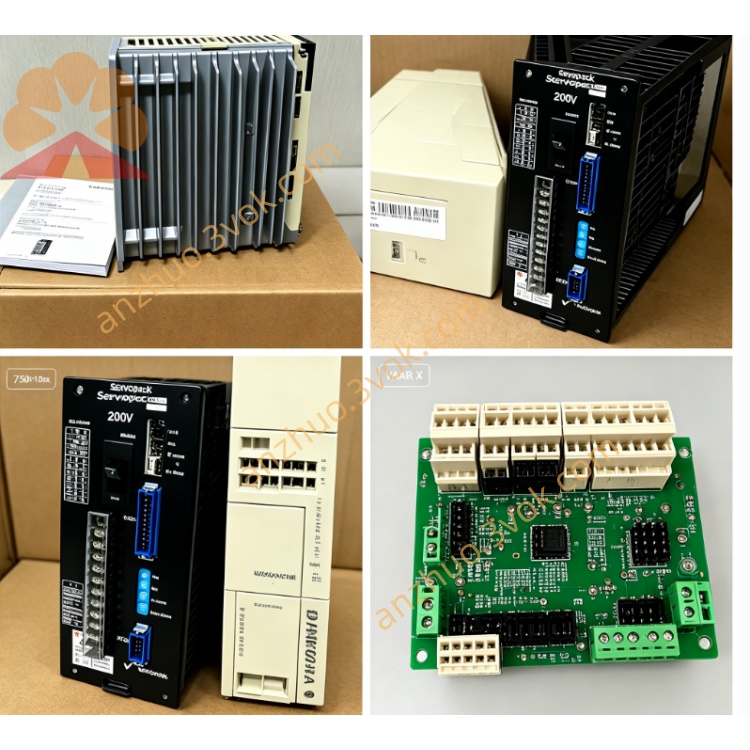
JZRCR-NTU18
JZRCR-NTU18 (common variants: NTU18-1, NTU18E-1) is original Yaskawa Motoman control power supply module exclusively configured for DX100 robot controller cabinet, matching MH, HP, ES, VA series six-axis industrial robots. It serves as core auxiliary logic power unit, supplying stable DC power for main CPU board, safety stop circuit, teach pendant, internal I/O board and peripheral signal loop inside DX100 cabinet, working together with servo power unit to build full-system power distribution framework. Original factory production has been discontinued; available market stock includes surplus new original units and fully tested refurbished spare parts for DX100 equipment maintenance replacement.
Description
1. Product Overview
JZRCR-NTU18 (common variants: NTU18-1, NTU18E-1) is original Yaskawa Motoman control power supply module exclusively configured for DX100 robot controller cabinet, matching MH, HP, ES, VA series six-axis industrial robots. It serves as core auxiliary logic power unit, supplying stable DC power for main CPU board, safety stop circuit, teach pendant, internal I/O board and peripheral signal loop inside DX100 cabinet, working together with servo power unit to build full-system power distribution framework. Original factory production has been discontinued; available market stock includes surplus new original units and fully tested refurbished spare parts for DX100 equipment maintenance replacement.
2. Electrical Specifications
Rated input: Single-phase AC200V~230V, 50/60Hz, allowable input voltage fluctuation ±10% of nominal value.Internal high-frequency switching rectifier converts AC input into multi-group regulated DC outputs: main DC5V for mainboard logic, DC24V for teach pendant, safety circuit and external I/O modules. Equipped with complete built-in protection circuits: overvoltage, overcurrent, short-circuit and overheat auto-shutdown protection; output cuts off instantly under abnormal load to avoid burnout of downstream control hardware. Internal EMC filter suppresses grid surge and servo electromagnetic interference to stabilize output voltage consistency.
3. Mechanical & Installation Specification
Closed metal shield housing with passive air-cooling vent slots on casing surface for continuous running heat dissipation. Standard embedded rack-mounted design, fixed by mounting screws on DX100 cabinet inner standard guide rail. Dedicated plug-type terminal connectors on side panel for AC input wiring and multi-channel DC output wiring to cabinet main backplane. Shell surface adopts anti-rust electroplating process, protection grade IP20, only applicable for indoor closed cabinet installation, adapting dusty workshop working environment.
4. Compatible Matching Components
Fully compatible with complete DX100 system hardware: main control CPU board, servo amplifier rack, emergency stop safety assembly and handheld teach pendant JZRCR-YPP21-1. Matches with DX100 servo power supply module to form dual-stage power supply system (strong servo power + weak control logic power); direct plug-and-play replacement without original wiring modification.
5. Operating Environment Condition
Continuous working ambient temperature inside cabinet: 0℃ ~ +55℃; power-off storage temperature: -20℃ ~ +70℃. Working relative humidity 10%~85% without condensation dew. Installation position must keep away from oil mist, corrosive gas, strong mechanical vibration and high-frequency EMI interference from welding equipment and high-power inverters.
6. Module Replacement Steps
Cut off cabinet total AC main power and wait over 15 minutes for internal residual high voltage full discharge to prevent electric shock before disassembly.
Mark all input & output cable sequence of faulty NTU18 module then disconnect each wiring orderly.
Remove fixing bolts, take out defective unit and install new JZRCR-NTU18 at original fixed position and fasten tightly.
Recover all connecting cables strictly according to pre-marked positions.
Power on cabinet main supply after installation, complete system self-check and jog test of each robot axis to confirm no power alarm and normal startup of teach pendant and control system.
7. Typical Fault & Troubleshooting
Fault 1: Whole system no power-up after energization, all indicator lights off: Inspect AC200V input circuit first, check blown internal fuse or damaged rectifier circuit inside NTU18 module.Fault 2: Random low-voltage warning and intermittent system shutdown during operation: Clean dust clogged cooling vents triggering overheat protection; check loose terminal wiring causing unstable output voltage.Fault 3: Main control board powered normally but teach pendant fails to light up: Troubleshoot independent DC24V output channel and corresponding terminal damage of this power supply unit.
8. Safety Notes
Live hot plug of input/output wires is strictly forbidden; instantaneous voltage surge will permanently damage internal power circuit and peripheral control boards. All disassembly and maintenance must be operated by professional technicians familiar with DX100 control circuit principle. Unauthorized modification of internal module wiring is prohibited, which may lead to entire robot system breakdown and field operation safety risks.
Get a Quote