
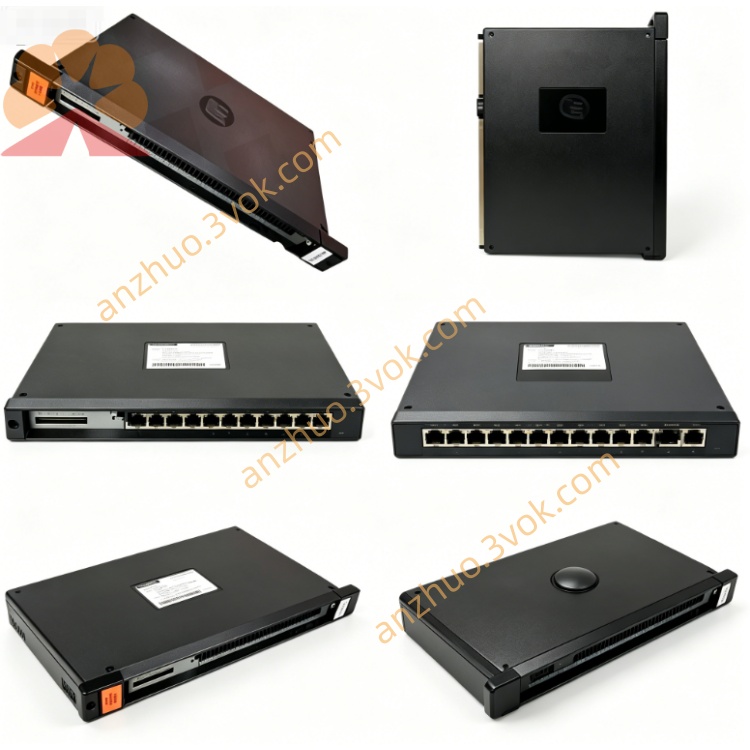
RELIANCE 57C414 Modbus interface module
The RELIANCE 57C414 is a Modbus interface module developed for the AutoMax and DCS 5000 industrial control platforms. It adopts a single-slot rack-mounted design, serving as a communication gateway between AutoMax systems and Modbus-compatible devices. The module enables seamless data exchange with non-Reliance equipment by emulating part of the Modicon 584 data table. Built with industrial-grade components, it delivers stable and reliable communication connectivity in harsh industrial environments.
Description
Product Overview
The RELIANCE 57C414 is a Modbus interface module developed for the AutoMax and DCS 5000 industrial control platforms. It adopts a single-slot rack-mounted design, serving as a communication gateway between AutoMax systems and Modbus-compatible devices. The module enables seamless data exchange with non-Reliance equipment by emulating part of the Modicon 584 data table. Built with industrial-grade components, it delivers stable and reliable communication connectivity in harsh industrial environments.
Model Definition
RELIANCE is the brand of industrial control products. 57C denotes the system and I/O module series of the AutoMax control platform. 414 is the specific model code for the Modbus interface module. This identifier positions the unit as a dedicated communication component within the 57C series, compatible with standard AutoMax racks and system firmware.
Technical Parameters
The module is powered by the rack backplane, drawing 2.5 A at +5 VDC and 0.053 A at +12 VDC. It supports Modbus RTU (binary) and Modbus ASCII communication modes. The communication medium is RS-232, with support for 1 to 99 network nodes. Operating temperature ranges from 0 degrees Celsius to 60 degrees Celsius, and relative humidity is 5 percent to 90 percent without condensation. Front-panel LED indicators include POWER, CPU READY, and RUN for real-time status monitoring. A user-removable fuse provides overcurrent protection.
Interface and Communication Configuration
The rear edge connector interfaces with the rack backplane for power and internal system communication. The front panel features an RS-232 serial port for Modbus network connection. All external data transmission follows the Modbus protocol, supporting RTU and ASCII modes. The module acts as a protocol converter, translating AutoMax internal bus data to Modbus frames and vice versa. It supports up to four AutoMax processors in the same rack for coordinated Modbus communication.
Core Functions
It establishes Modbus communication links between AutoMax systems and third-party devices. It emulates Modicon 584 data table structures for seamless data mapping and exchange. It supports both RTU and ASCII transmission modes for flexible network integration. It performs real-time data exchange and parameter synchronization between connected devices. It provides diagnostic functions for communication status and network fault detection. It enables remote monitoring and control of Modbus devices via the AutoMax system.
Application Scenarios
This module is widely used in industrial automation systems based on AutoMax and DCS 5000 platforms. It is applied in steel, papermaking, chemical, power generation, and machinery manufacturing industries. It is suitable for scenarios requiring interconnection between AutoMax controllers and Modbus-compatible devices such as sensors, actuators, and third-party PLCs. It is ideal for building integrated industrial networks with multi-vendor equipment.
Operation and Maintenance Instructions
Disconnect system power before installation or removal. Insert the module into a standard AutoMax rack slot and ensure secure backplane connection. Configure Modbus communication parameters (baud rate, data bits, stop bits, parity) via the system software. Regularly check LED indicators for normal operation. Keep the RS-232 interface clean and dry to avoid signal interference. Replace the fuse promptly if overcurrent occurs. Take anti-static measures during maintenance. Do not disassemble or modify the module without authorization. Replace with the same model in case of failure to ensure continuous communication.
Get a Quote