
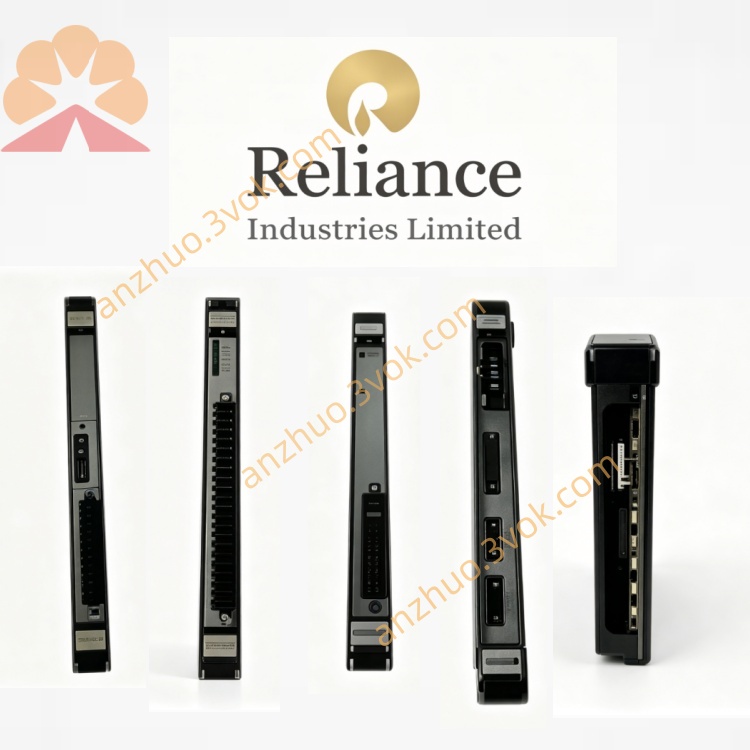
RELIANCE 57C407 high-performance DCS 5000 processor module
The RELIANCE 57C407 is a high-performance DCS 5000 processor module designed for the AutoMax industrial control platform. As the core control unit of the system, it adopts a single-slot rack-mounted structure and integrates a high-speed processing core and system management circuits. It is responsible for executing control logic, coordinating system modules, and processing real-time data, providing stable and reliable core computing capabilities for large-scale industrial automation systems.
Description
Product Overview
The RELIANCE 57C407 is a high-performance DCS 5000 processor module designed for the AutoMax industrial control platform. As the core control unit of the system, it adopts a single-slot rack-mounted structure and integrates a high-speed processing core and system management circuits. It is responsible for executing control logic, coordinating system modules, and processing real-time data, providing stable and reliable core computing capabilities for large-scale industrial automation systems.
Model Definition
RELIANCE is the brand of industrial control products. 57C represents the series of I/O modules and supporting components for the AutoMax platform. 407 is the specific model code for the DCS 5000 processor module. This model is also known as 0-57C407-4H in some naming systems, where the suffix indicates hardware revision and configuration differences, compatible with multiple versions of AutoMax and DCS 5000 systems.
Technical Parameters
It operates within a temperature range of 0 degrees Celsius to 60 degrees Celsius, adapting to conventional industrial environments. Powered by the rack backplane, it complies with AutoMax bus specifications. It features a high-speed processing core with large-capacity memory for executing complex control algorithms. The module is equipped with two 7-segment LED fault indicators and a green status LED for real-time operating status display. It has a standard single-slot size and a weight of approximately 1.8 kilograms, supporting up to four processors in the same rack for redundant or distributed control.
Interface and Communication Configuration
The rear connector connects to the AutoMax system rack backplane for power supply and high-speed data interaction with other modules. It supports DCS-Net network communication and remote I/O connections to realize data exchange with field devices and upper-level systems. The front panel is equipped with status indicators and no additional external communication ports. All control and data transmission are completed through the rack backplane and system bus.
Core Functions
It executes user-programmed control logic and algorithms to implement closed-loop control, sequence control, and interlock protection. It coordinates and manages all modules in the rack, including I/O modules, communication modules, and drive control modules, to ensure synchronous and orderly operation of the system. It processes real-time data collected from field sensors and actuators, and feeds back operating parameters and fault information to the upper-level system. It supports system redundancy configuration to improve the reliability and stability of the control system.
Application Scenarios
This module is widely used in large-scale industrial automation projects based on the AutoMax/DCS 5000 control system, especially in scenarios requiring high-performance core control. It covers industries such as steel manufacturing, papermaking, chemical processing, power generation, and mechanical equipment production. It is mainly used as the core controller for production line automation, process control systems, and large-scale drive control systems.
Operation and Maintenance Instructions
Disconnect the system power supply before installing or removing the module to avoid electrical damage. Insert the module into the designated slot of the AutoMax rack and ensure the backplane connection is firm and reliable. Keep the installation environment clean, dry, and well-ventilated, and avoid exposure to dust, moisture, and corrosive substances. Regularly check the module's operating status indicators and backplane connections. Do not disassemble or modify the module without authorization. Replace it with the same model promptly when a fault occurs to ensure the normal operation of the entire control system.
Get a Quote