
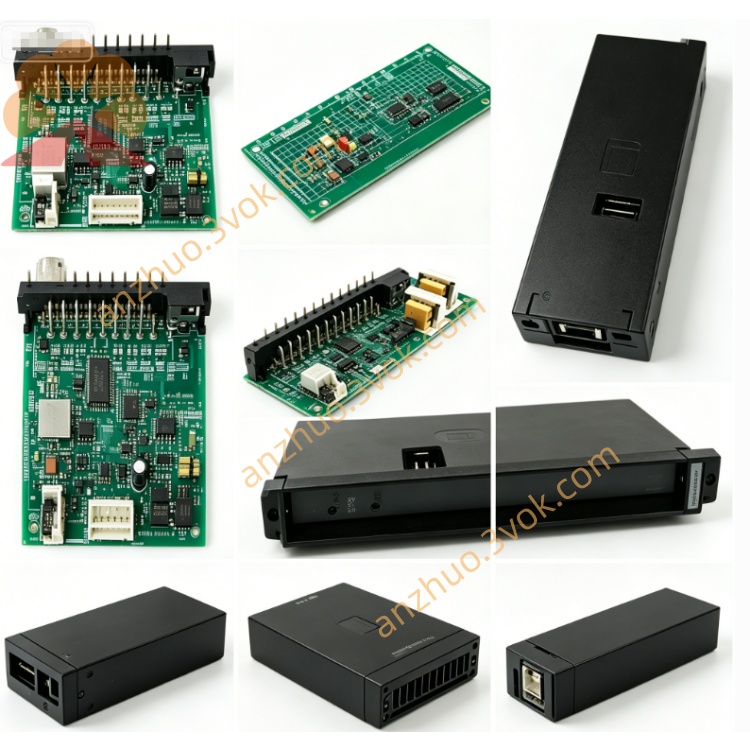
RELIANCE 57C405-C upgraded multi-channel analog input and output module
The RELIANCE 57C405-C is an upgraded multi-channel analog input and output module tailored for AutoMax industrial control systems. It adopts optimized circuit design on the basis of the standard version, and maintains a single-slot rack mounting structure. With enhanced signal conditioning circuits and reinforced galvanic isolation, it delivers more stable signal processing performance and stronger environmental adaptability, which is ideal for analog signal collection and drive control tasks in complex industrial operating environments.
Description
Product Overview
The RELIANCE 57C405-C is an upgraded multi-channel analog input and output module tailored for AutoMax industrial control systems. It adopts optimized circuit design on the basis of the standard version, and maintains a single-slot rack mounting structure. With enhanced signal conditioning circuits and reinforced galvanic isolation, it delivers more stable signal processing performance and stronger environmental adaptability, which is ideal for analog signal collection and drive control tasks in complex industrial operating environments.
Model Definition
RELIANCE refers to the brand of industrial control products. 57C represents the I/O modules and supporting components series of the AutoMax platform. 405 is the model code for multi-channel analog input and output modules. The suffix C stands for the revised hardware version with improved circuit performance, protection capability and overall compatibility.
Technical Parameters
This module supports standard industrial analog voltage and current signals. Reinforced galvanic isolation is configured between field circuits and internal circuits to suppress electromagnetic interference effectively. The operating temperature ranges from 0 degrees Celsius to 60 degrees Celsius. It obtains power from the rack backplane and fully conforms to AutoMax bus specifications. It is equipped with channel status indicators and fine-tuning components, and applies standard single-slot installation design suitable for matching system racks.
Interface and Communication Configuration
The rear built-in connector connects to the rack backplane to realize power supply and data interaction with the main controller. Multiple wiring terminals on the front panel are used for connecting field analog sensors and executing devices. All data and signal transmission follows the dedicated bus protocol of AutoMax system. There are no additional external communication ports, and all data exchange is completed through the rack backplane.
Core Functions
It acquires analog signals such as temperature, pressure and flow from field sensors and converts them into digital data that can be identified and processed by the controller. It converts control instructions from the main system into standard analog signals to drive on-site actuators. The upgraded isolation structure prevents external electrical faults from affecting the main control system. It realizes accurate signal calibration and real-time channel fault detection, and transmits the operating status of each channel to the system continuously.
Application Scenarios
This module is widely deployed in automation facilities equipped with AutoMax control systems, covering steel production, papermaking, chemical engineering, power supply and mechanical manufacturing industries. It is mainly used for equipment requiring analog signal acquisition and output, including field signal transmitters, regulating valves and variable frequency drive units.
Operation and Maintenance Instructions
Cut off the entire system power supply before installation or removal of the module. Insert the module into the designated rack slot and ensure the backplane connection is fully secured. Connect field wires to corresponding terminals strictly following wiring regulations and pay close attention to signal polarity. Keep the installation area clean, dry and well ventilated, and avoid exposure to dust, moisture and corrosive substances. Conduct regular inspection on terminal connections and module operating status. Do not disassemble or modify the module without permission. Replace it with the same model promptly when faults occur to ensure the normal and stable operation of the whole system.
Get a Quote